10 Developer New Year’s Resolutions You’ll Actually Keep (No, “Learn Rust” Isn’t One)

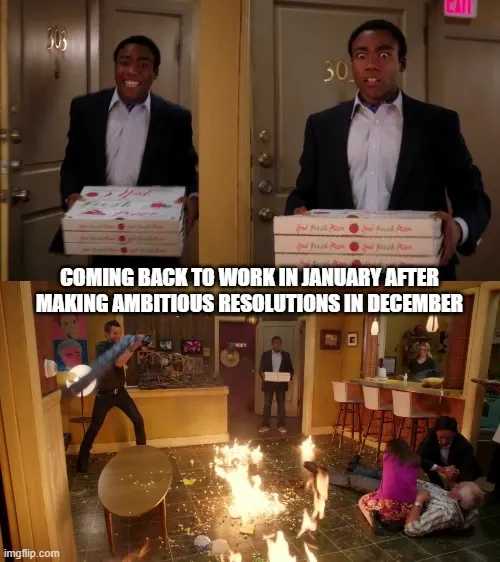
Every January, developers across the world make the same promises: “I’ll finally learn Rust.” “I’ll rewrite everything properly.” “I’ll never ship messy code again.”
And by February… reality wins.
The problem isn’t motivation — it’s that most resolutions are too big, too vague, or disconnected from day-to-day work. Good developer resolutions should fit naturally into your existing workflow and make your job easier, not harder.
Here are 10 realistic, practical New Year’s resolutions that developers actually stick to — because they improve daily work instead of fighting it.
- Reduce “Invisible” Technical Debt (Just a Little)
You don’t need a massive refactor plan. Instead, commit to fixing one small piece of tech debt per sprint — a flaky test, confusing function, outdated dependency, or missing README.
Tiny improvements compound quickly, especially in long-lived codebases.
Why it works:
You improve quality without blocking delivery or burning goodwill with the team.
- Automate One Repetitive Task You Hate
If you run the same command, checklist, or deployment step manually every week, automate it.
Examples:
-
Script a local environment setup
-
Automate secret rotation reminders
-
Add CI checks for formatting or linting
Why it works:
You feel the benefit immediately, which makes the habit stick.
- Stop Over-Engineering Early Solutions
This year, aim to build the simplest thing that can evolve, not the “future-proof” system you’ll never fully need.
Start small. Measure. Iterate.
Why it works:
You ship faster, reduce cognitive load, and avoid maintaining complexity no one asked for.
- Read Error Messages Properly (Before Googling)
It sounds obvious — and yet we all skip it.
New resolution:
Read the entire error message before searching Stack Overflow or asking AI.
Why it works:
You solve issues faster and actually learn how the system behaves.
- Make Code Reviews Teaching Moments
Instead of “This is wrong” or silent approvals:
-
Explain why something matters
-
Share alternatives
-
Ask clarifying questions
Why it works:
Better code reviews improve team quality without slowing anyone down — and make collaboration less painful.
- Track Cloud Costs Like a Feature Metric
Treat cloud spending as part of engineering quality, not a finance problem.
Simple habits:
-
Review cloud bills monthly
-
Clean up unused resources
-
Add budgets or alerts
Why it works:
You prevent slow cost leaks and avoid surprise conversations later.
- Document Decisions, Not Just APIs
You don’t need long documentation. Just write down:
-
Why was a tool chosen
-
Why was a trade-off accepted
-
Why wasn’t something done
Why it works:
Future-you (and new teammates) will thank you — and you’ll answer fewer repeated questions.
- Improve One Security Habit
Security doesn’t need to be overwhelming.
Pick one:
-
Enable MFA everywhere
-
Rotate secrets more often
-
Remove unused access keys
-
Review permissions quarterly
Why it works:
Small security improvements dramatically reduce real-world risk.
- Protect Focus Time (Even a Little)
Context switching kills productivity.
This year:
-
Block one focus window per day
-
Mute notifications during deep work
-
Batch meetings when possible
Why it works:
You write better code in less time — without working longer hours.
- Measure Impact, Not Output
Stop measuring success by:
-
Lines of code
-
Tickets closed
-
Hours worked
Start measuring:
-
Reduced incidents
-
Faster deployments
-
Fewer rollbacks
-
Happier users
Why it works:
You align your work with real business outcomes — and avoid burnout.
Final Thought: Small Wins Beat Big Promises
You don’t need a radical transformation to grow as a developer this year.
The best resolutions are:
-
Small
-
Boring
-
Repeated
-
Aligned with real work
And yes — if you still want to learn Rust later, that’s fine. Just don’t make it your January plan 😉

Here’s to a year of less friction, better systems, and resolutions you actually keep.

We're confident we can supercharge your software operation
Our products and services will delight you.
Read more:
10 Developer New Year’s Resolutions You’ll Actually Keep (No, “Learn Rust” Isn’t One)
Every January, developers across the world make the same promises: “I’ll finally learn Rust.” “I’ll rewrite everything p...
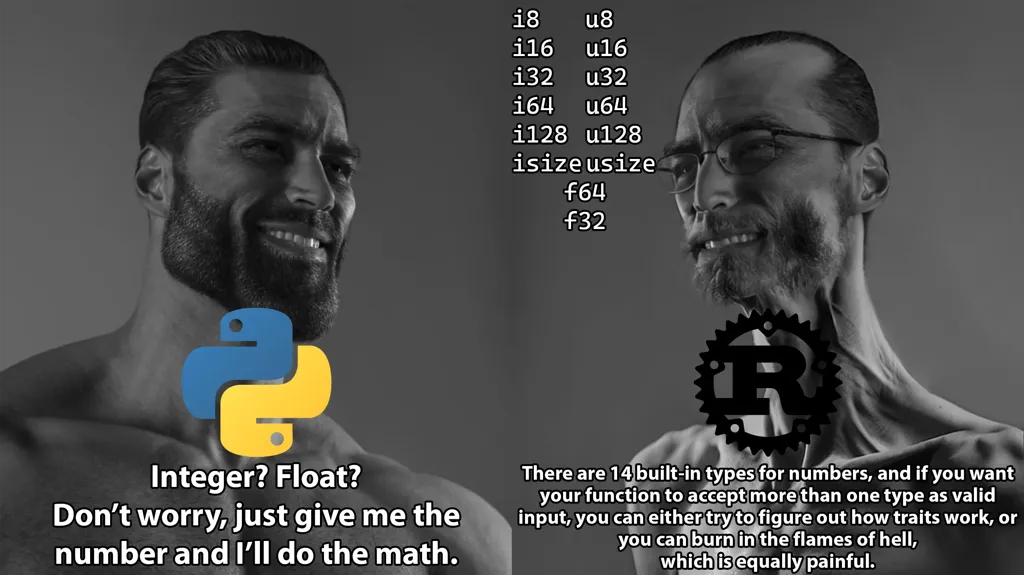
My Rusty Christmas: How Rust earned a place next to C++, Java, Python and Go (and made me argue with rust traits)
Every few years, a new language earns a permanent place in your toolkit. Not because it’s fashionable. Not because the i...
What Cloud Looked Like in 2025 — Trends, Lessons & Future Proofing
By 2025, cloud computing had transformed beyond mere hosting: it became the foundation of AI, hybrid infrastructure, edg...
5 Signs You Need Cloud Consulting (Before It Costs You More)
Cloud adoption today isn’t optional — it’s a competitive accelerant. But here’s the truth: many teams quietly discover t...
The Reality Check: LLM-Generated Code vs. Human Engineers
LLMs and “AI-assisted coding” are rapidly reshaping how we develop software. Auto-complete, boilerplate generation, refa...

How to Boost Your Google Cloud Skills: A Practical Growth Guide for Modern Engineers
The cloud is no longer just infrastructure — it’s a core capability for modern engineering teams. Whether you’re a softw...