Remote Cloud Sandboxes: Reducing Merge Conflicts in Distributed Teams

In distributed engineering teams, merge conflicts are a recurring headache. They slow down development, frustrate engineers, and introduce subtle bugs that sometimes go unnoticed until deployment. While traditional local development environments work well for small teams, scaling to remote or multi-location teams demands a more robust approach. Enter remote cloud sandboxes — isolated, cloud-based environments that can transform collaboration and reduce friction in distributed software development.
What Are Remote Cloud Sandboxes?
A cloud sandbox is a temporary, fully-configured environment hosted in the cloud where developers can work in isolation. Each engineer can spin up a sandbox that mirrors production or staging environments, complete with the latest dependencies, services, and configurations. Unlike local environments, cloud sandboxes are ephemeral, shareable, and standardised, ensuring everyone works on the same baseline.
How Sandboxes Reduce Merge Conflicts
Merge conflicts often happen because developers make changes in slightly different contexts—different versions of dependencies, local configurations, or partial feature branches. Remote cloud sandboxes tackle these issues by:
-
Standardising Development Environments
Every sandbox is configured with the same dependencies and environment variables, reducing discrepancies that often cause conflicts. -
Isolating Workstreams
Engineers can work on feature branches independently without affecting others. Testing and integration happen in the cloud, minimising last-minute conflicts. -
Facilitating Continuous Integration
Sandboxes can be automatically linked with CI pipelines. Changes can be validated in a cloud replica of production before merging, catching conflicts early. -
Supporting Peer Collaboration
Sandboxes can be shared among team members for collaborative debugging or review, ensuring that fixes and features are integrated seamlessly.
How to Create a Remote Cloud Sandbox
Creating a cloud sandbox doesn’t have to be complex. Here’s a practical approach:
-
Choose a Cloud Provider or Platform
Options include AWS Cloud9, Gitpod, GitHub Codespaces, or self-hosted Kubernetes-based environments. Select one that integrates easily with your CI/CD pipeline. -
Define Environment Configuration
Use containerization (Docker) or Infrastructure-as-Code (Terraform, Pulumi) to specify dependencies, environment variables, and services. Ensure it mirrors production as closely as possible. -
Automate Sandbox Creation
Scripts or platform APIs can spin up new sandboxes on-demand. For example, GitHub Codespaces allows developers to start a pre-configured instance with a single command. -
Integrate With Version Control
Link sandboxes to feature branches. Every sandbox should pull the correct branch and dependencies automatically to prevent environment drift. -
Enable Collaboration & Testing
Make sandboxes shareable for code reviews, pair programming, or testing. Integrate automated tests to validate code before merging.
By following these steps, teams can quickly spin up isolated environments, maintain consistency across developers, and reduce the chances of merge conflicts.
Measuring the Impact
For distributed teams, the benefits are measurable:
-
Fewer merge conflicts: Teams report a reduction of conflict-related errors by 30–50%.
-
Faster onboarding: New engineers can start coding without spending hours configuring local setups.
-
Improved DevEx: Engineers spend less time fighting configuration drift and more time on actual development.
At ZEN Software, we’ve observed that teams using cloud sandboxes not only experience fewer merge conflicts but also higher developer satisfaction and faster feature delivery.
Merge conflicts might seem like a small inconvenience, but they compound in distributed teams, slowing down delivery and increasing cognitive load. Remote cloud sandboxes address the root causes, streamlining collaboration, improving developer experience, and boosting productivity across locations.
For engineering leaders looking to optimise distributed workflows, sandboxes are not just a tool—they’re a strategic investment in team efficiency and code quality.

Streamline Your Software Delivery
ZEN Software provides cloud-based development pipelines for rapid delivery, automated testing, and robust security scans.
Read more:
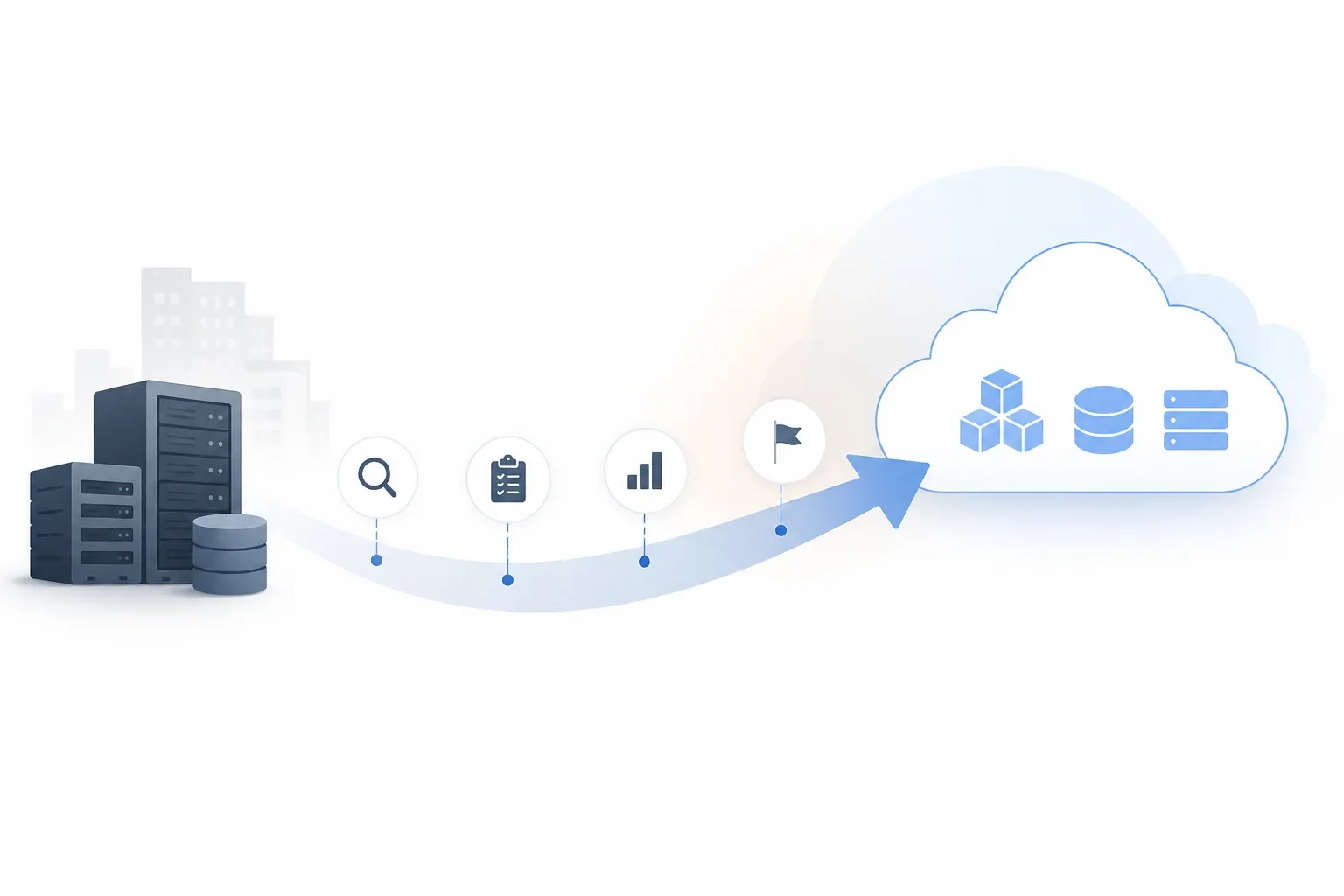
How to Plan a Cloud Migration (Without Losing Your Mind)
You know you need to move to the cloud. But you're terrified: What if we lose data? How long will this take? What if it ...
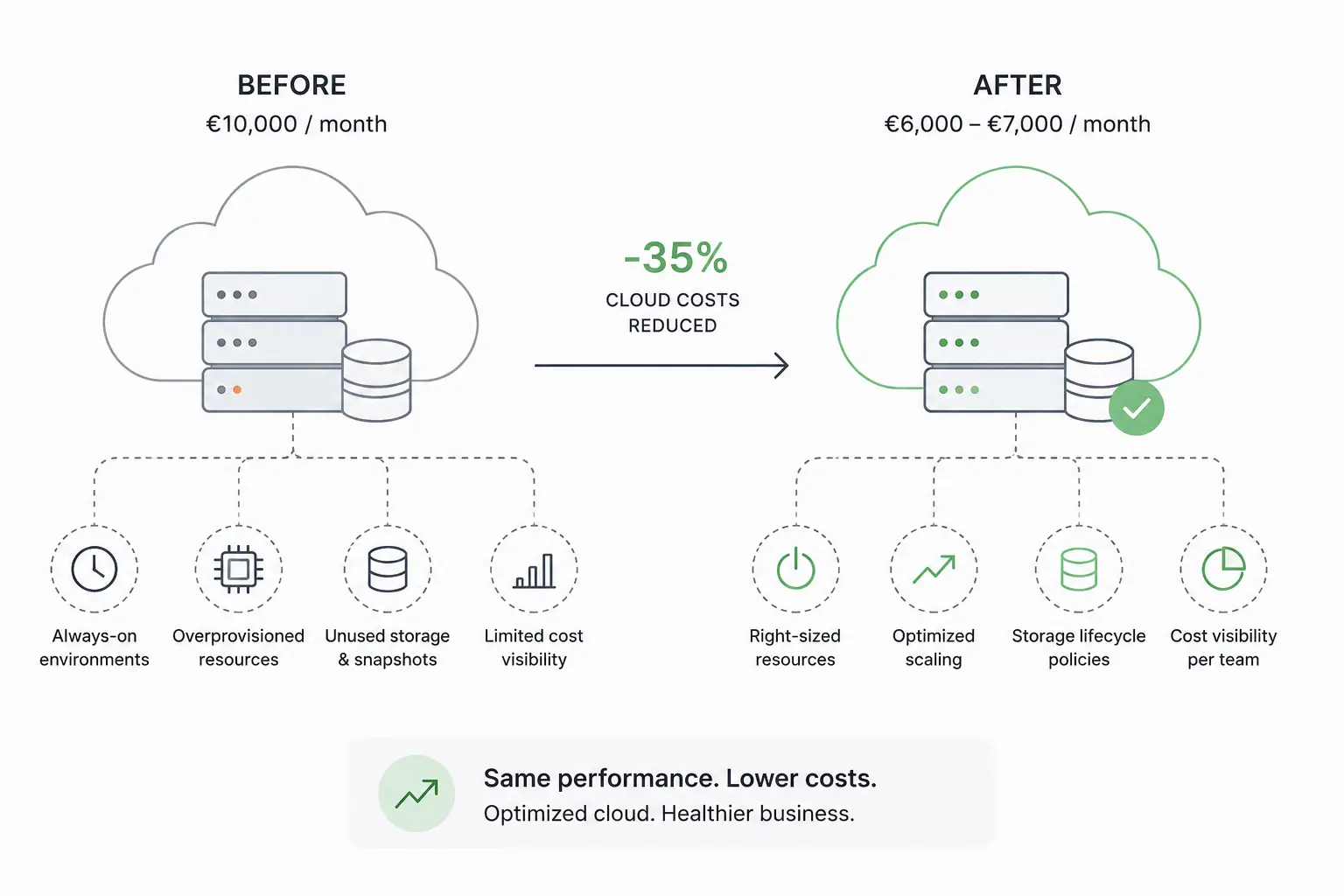
Cloud Cost Optimisation: How We Helped a SaaS Company Reduce Cloud Spend by 35%
A small SaaS company with around 50 employees approached us with a concern that had begun to surface in budget discussio...

Cloud Observability vs. Cloud Monitoring
The difference between monitoring and observability only really shows up when something goes wrong, and the usual tools ...

What Happens When a Cloud Region Goes Down
Most teams build their systems expecting small failures. A container crashes. A node disappears. Maybe an availab...

Cloud Security Basics Developers Often Ignore
Cloud security is often framed as a shared responsibility. In practice, that usually translates to something like: “the ...
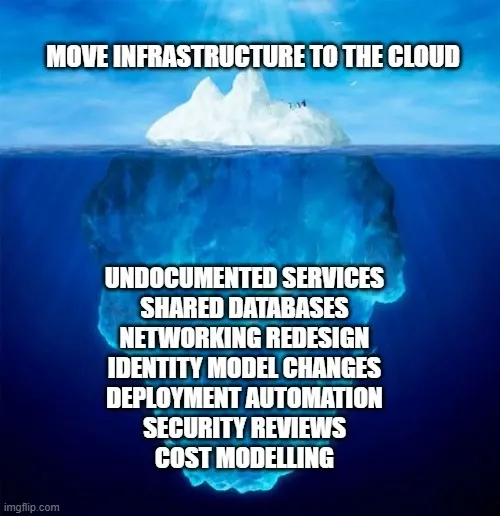
Why Most Cloud Migrations Fail Before the First Deployment
Cloud migration often starts with confidence. The plan sounds simple: move existing systems to the cloud, reduce infrast...