How to Boost Your Google Cloud Skills: A Practical Growth Guide for Modern Engineers


The cloud is no longer just infrastructure — it’s a core capability for modern engineering teams. Whether you’re a software developer, DevOps engineer, data specialist, or tech lead, strengthening your Google Cloud skills has become a strategic investment. But with dozens of services and rapid innovation cycles, it’s easy to feel overwhelmed.
This guide breaks down the most effective, real-world ways to build and accelerate your Google Cloud expertise — without wasting time on scattered tutorials or outdated content.
- Start with the Foundations: Learn the Core GCP Building Blocks
Google Cloud is huge, but you don’t need everything on day one. Begin by mastering the essential services:
-
Compute: Compute Engine, Cloud Run, and GKE
-
Storage: Cloud Storage, Filestore
-
Networking: VPCs, subnets, firewall rules, load balancers
-
Identity & Security: IAM, service accounts, KMS
Why this matters:
These are the services used in almost every real-world workload. Once you're comfortable with them, advanced topics become much easier to learn.
- Use Google’s Free Tier and Sandboxes
The best way to learn GCP is by breaking things — safely.
Google Cloud offers:
-
Always-free tier (e.g., Cloud Run, Firestore, Pub/Sub)
-
Temporary training sandboxes through Qwiklabs/Google Cloud Skills Boost
-
Free credits through certifications or events
Hands-on experimentation gives you muscle memory you won’t get from videos alone. Spin up small environments, deploy apps, build pipelines — then delete everything.
- Follow a Learning Path Aligned With Your Role
Google Cloud provides role-based learning paths (all free):
-
Cloud Engineer
-
DevOps Engineer
-
Cloud Architect
-
Data Engineer
-
Cloud Developer
-
Security Engineer
Choosing a path helps you avoid random tutorials and build structured, job-relevant knowledge.
- Practice With Google Cloud Skills Boost Labs
(Qwiklabs-style labs by Google)
Labs are one of the fastest ways to learn because they give you:
-
Temporary GCP environments (no risk of billing!)
-
Step-by-step tasks
-
Scenarios based on real production patterns
Completing quest badges is also a strong signal for your CV or LinkedIn profile.
- Focus on Infrastructure as Code (IaC) Early
GCP is best used programmatically. Learn how to manage your cloud setups using:
-
Terraform (industry standard)
-
Google Cloud Deploy
-
Cloud Build + GitOps patterns
This teaches you production-grade workflows and prevents “wizard-driven” learning, which doesn’t scale.
- Learn How Google Does Networking
GCP networking has its own unique qualities (global load balancing, VPC Service Controls, shared VPC architecture). Invest time into:
-
VPC design
-
Routing
-
Peering
-
Private Service Connect
-
Internal load balancing
Strong networking skills drastically improve your troubleshooting speed and architectural decisions.
- Build a Real Project
The fastest way to level up is by deploying something real, such as:
-
A serverless API on Cloud Run
-
A Kubernetes workload on GKE
-
A full CI/CD pipeline using Cloud Build
-
A data pipeline using Pub/Sub + Dataflow
-
An ETL pipeline using BigQuery
Even a small project teaches more than 10 courses combined — because you run into real issues.
- Study Google’s Architecture Frameworks
To understand how Google wants you to build, read:
-
Google Cloud Architecture Framework
-
Site Reliability Engineering (SRE) Book
-
The DevOps Research & Assessment (DORA) reports
These resources align your mental model with cloud-native thinking.
- Follow Google Cloud Experts and Community Channels
Staying updated is part of boosting your skills. Useful channels include:
-
Google Cloud YouTube
-
Google Cloud Blog
-
GCP Podcasts
-
r/googlecloud (Reddit)
-
Community groups (GDG, Cloud Hero events, local meetups)
Cloud evolves fast — the community gives you early access to patterns and best practices.
- Validate Your Skills with Certifications (Optional but Valuable)
If you're aiming for a role change or career boost, certifications help:
-
Associate Cloud Engineer (ACE) → best first cert
-
Professional Cloud Architect
-
Professional DevOps Engineer
-
Professional Data Engineer
Certs won’t replace hands-on skills, but they signal credibility and structured knowledge.
- Apply What You Learn at Work (or simulate it)
Look for opportunities to:
-
Migrate a service to Cloud Run
-
Add proper IAM for least-privileged access
-
Introduce CI/CD using Cloud Build
-
Containerise a legacy service
-
Set up monitoring with Cloud Logging + Cloud Monitoring
Small improvements compound into real-world expertise.
Becoming a GCP Expert Is a Journey, Not a Sprint
Boosting your Google Cloud skills is about consistent practice, real projects, and understanding how cloud-native systems work behind the scenes. Whether you're levelling up for your current role or transitioning into a cloud-focused career, GCP offers all the tools to help you grow.
Start small, stay hands-on, follow structured resources — and let curiosity drive the rest.

Go Cloud Native, Go Big
Revolutionise your organisation by becoming a born-again cloud enterprise. Embrace the cloud and lead the future!
Read more:
How to Plan a Cloud Migration (Without Losing Your Mind)
You know you need to move to the cloud. But you're terrified: What if we lose data? How long will this take? What if it ...
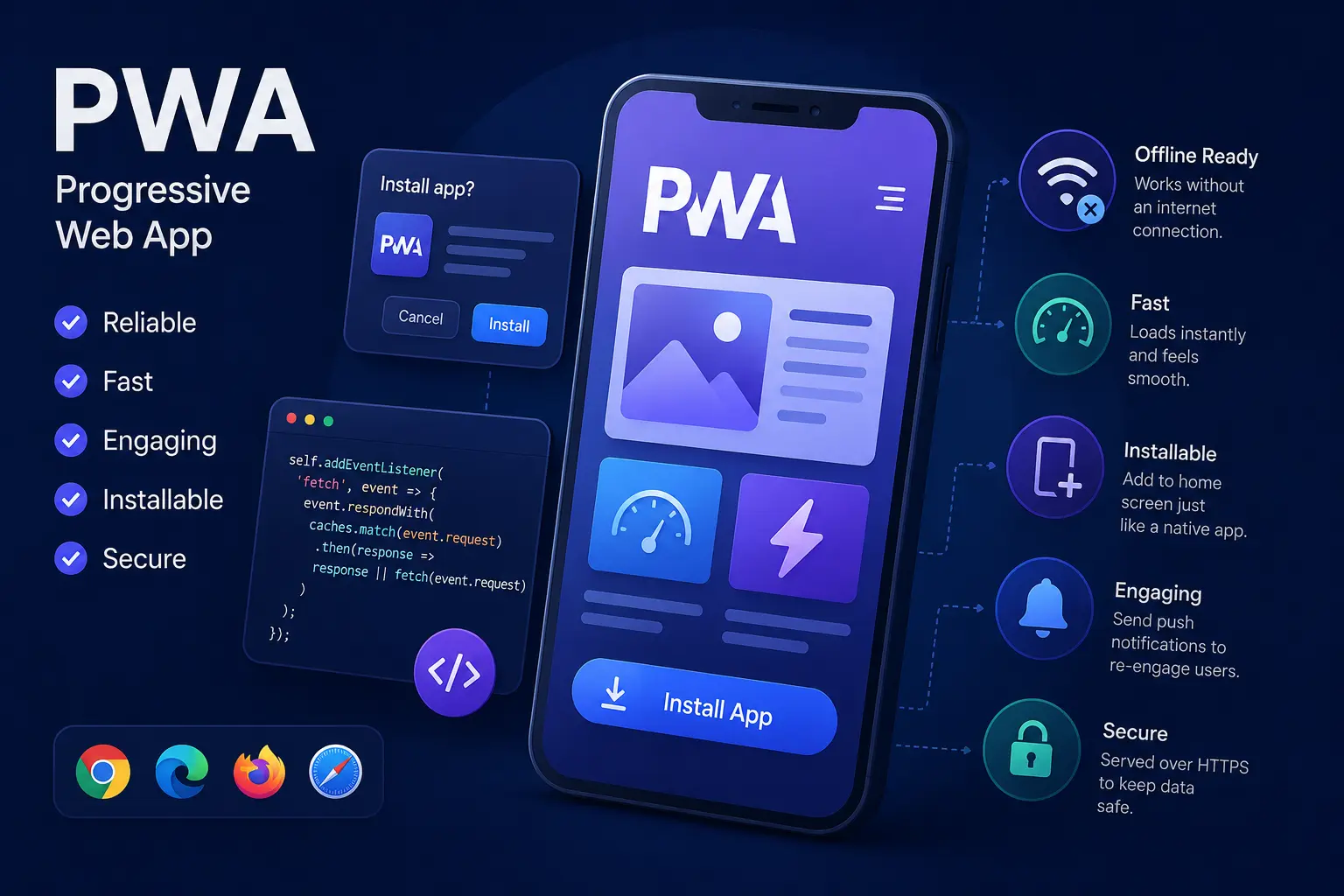
Building a PWA in 2026: What a Regular React Developer Actually Needs to Learn
If you have already built React applications, Progressive Web Apps are probably less intimidating than they sound. The ...
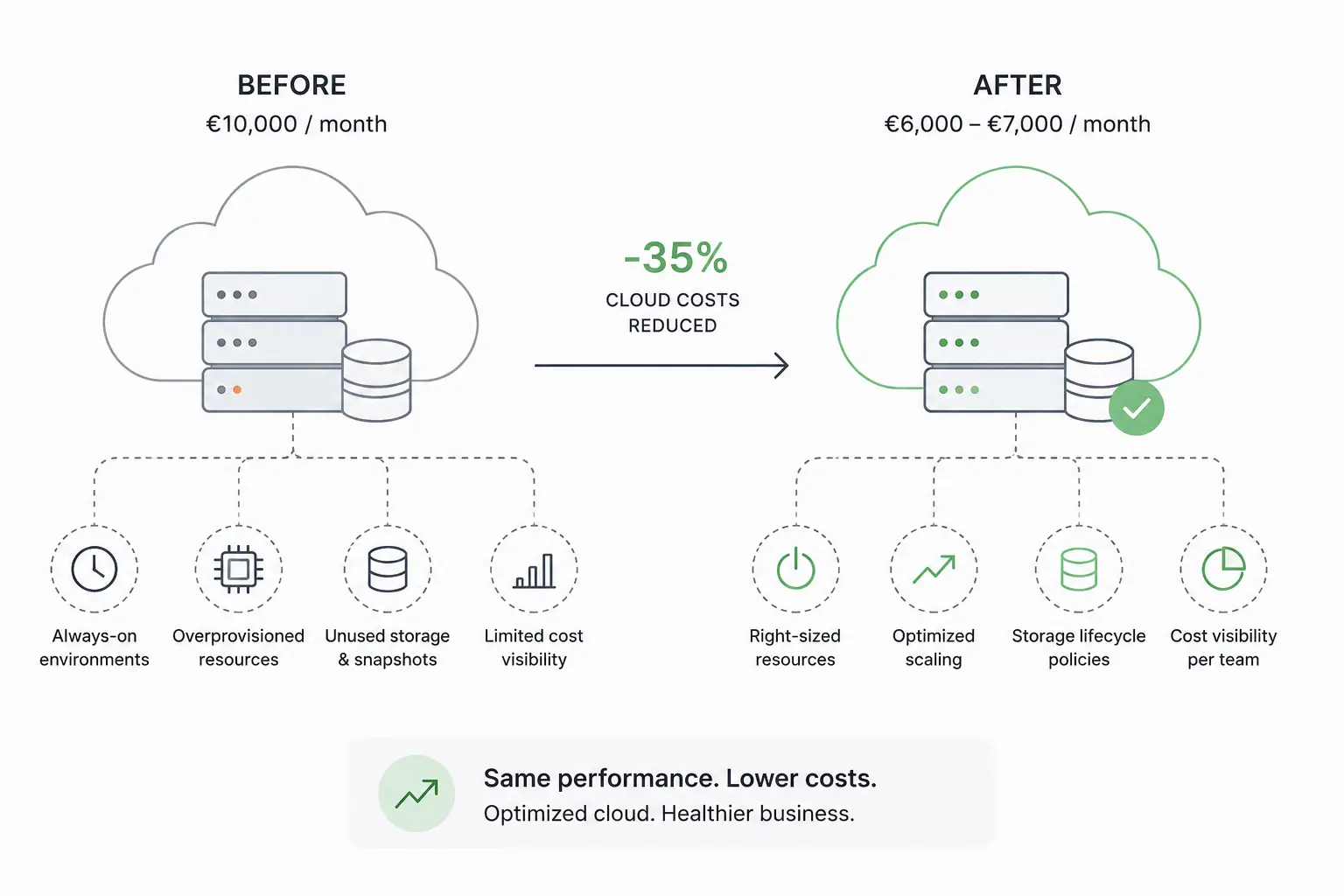
Cloud Cost Optimisation: How We Helped a SaaS Company Reduce Cloud Spend by 35%
A small SaaS company with around 50 employees approached us with a concern that had begun to surface in budget discussio...

5 Things to Consider When Building a Website That Actually Ranks Well
A lot of SEO advice still sounds like it came from 2014. Endless keyword checklists, “content is king,” and obsessing ov...
Cloud Observability vs. Cloud Monitoring
The difference between monitoring and observability only really shows up when something goes wrong, and the usual tools ...
5 Tools Experienced React Developers Should Try in 2026
If you’ve been working with React for a while, your stack is probably already in a good place. You’re not looking for ye...